
Business Logix insights
AI Assistant vs. AI Agent: What’s the Difference?
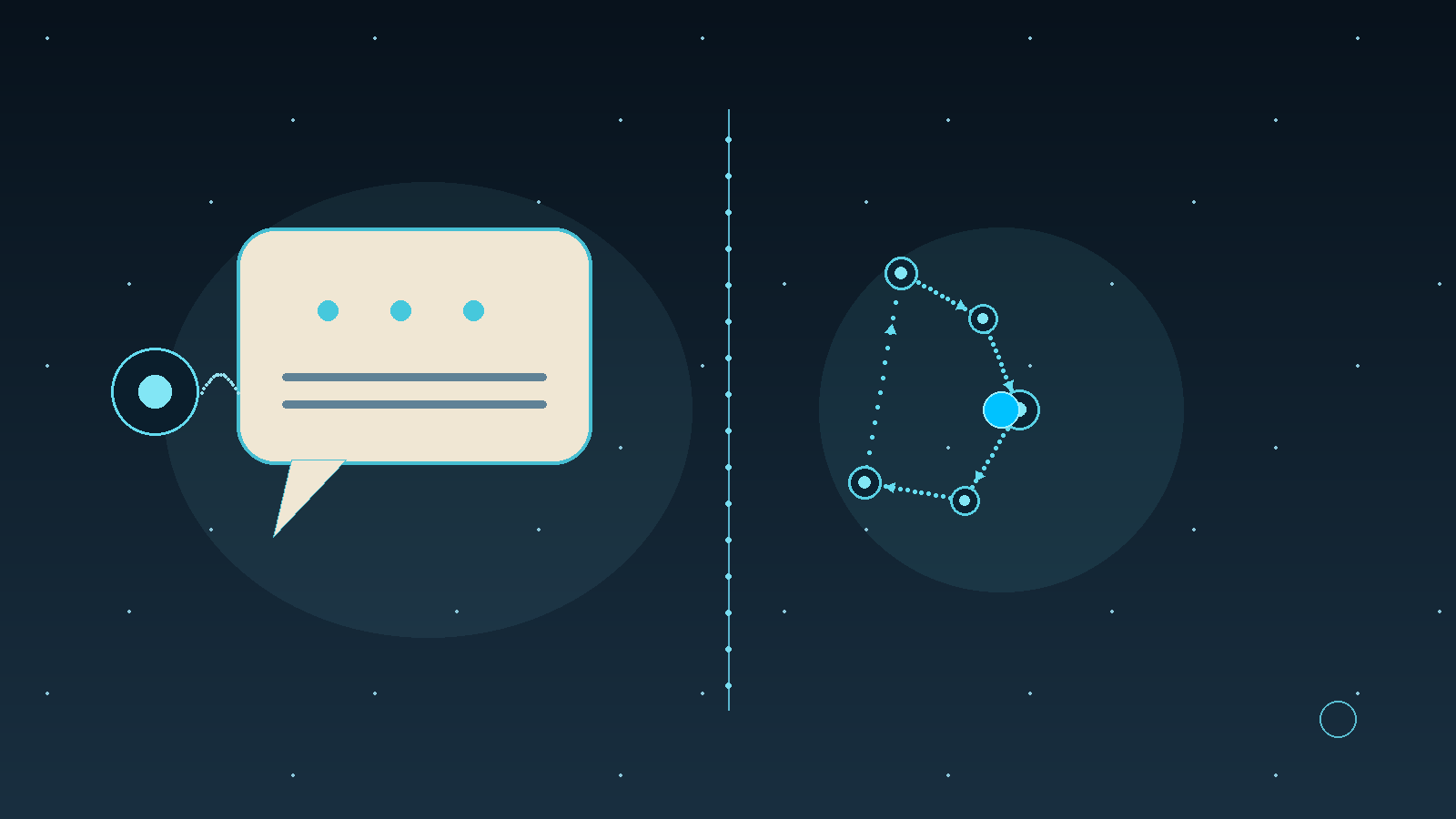
An AI assistant can answer questions, draft a document, summarize a report, or help you think through a decision. An AI agent can take a goal, decide on a sequence of steps, use tools, and work through those steps—sometimes with less direction along the way.
That distinction is useful, but not absolute. “Assistant” and “agent” are used differently across products, and an assistant can include agent-like capabilities. The practical question is not just what a tool is called, but how much work it can do, what it can access, and which actions still need your approval.
The short version
An AI assistant is typically designed for interactive help: you ask, it responds, and you guide what happens next. An AI agent is designed to pursue a goal through multiple actions. It may plan, use tools, check results, and adjust its next step without waiting for you after every action.
For example, an assistant might suggest a business-trip itinerary. An agentic system could compare flights, check a calendar, assemble options, and prepare a booking for approval—if it has the required tools and permissions. The difference is a matter of degree, not a strict dividing line.
What an AI assistant does
An AI assistant helps a person complete tasks through conversation or another interface. It can explain a concept, draft or revise text, answer questions about supplied information, or make recommendations. Many assistants also use tools, such as web search or a company knowledge base. Tool use alone does not make a system fully autonomous: it might use a tool once in response to a direct request, leaving the person to choose each next step.
A common pattern is simple: you ask, the assistant responds or performs the requested action, and you review the result before deciding what happens next. This works well when you want frequent control, a quick answer, or an interactive partner.
What an AI agent does
An AI agent is generally designed to work toward a goal by selecting and carrying out a series of actions. Depending on its design, it may break a task into steps, choose tools, observe what happened, and revise its plan. Instead of asking what is in a sales report, you might ask an agent to review it, flag unusual changes, compare them with prior weeks, and prepare a team summary.
The defining feature is not a particular model or chat interface. It is how much of the work the system can direct between your initial instruction and the result. The terminology varies: some systems called agents follow fixed workflows, while some assistants can plan and act in multiple steps.
Key differences at a glance
| Dimension | AI assistant | AI agent |
|---|---|---|
| Starting point | A question or requested task | A goal or desired outcome |
| Next step | Usually directed by the user | May be selected by the system |
| Work pattern | Often one response or action at a time | May involve multiple actions in a loop |
| Tool use | Can use tools when asked | May select and coordinate tools as needed |
| Human involvement | Frequent direction and review | Oversight at checkpoints or completion |
| Best fit | Interactive help and bounded tasks | Multi-step tasks with a clear goal |
These are tendencies, not guarantees. A capable assistant may handle a multi-step task, while an agent may be tightly restricted to a narrow workflow.
Why autonomy matters
Autonomy can save time when a task has dependent steps and the next action depends on what the system discovers. But each additional action creates another opportunity for an error to affect what follows. An agent that can only read information poses a different risk from one that can modify files, send messages, or update business records.
NIST’s work on agent systems emphasizes understanding tool capabilities and the actions they can take. Match access to the job: give an agent only the permissions it needs, require confirmation for consequential actions, and make its work reviewable.
When to use each
Use an assistant to get an explanation, brainstorm, draft or edit work you will review, or steer a task closely through follow-up questions.
Consider an agent when you want to delegate a bounded task that spans multiple steps, let the system choose reasonable next actions, or automate repeatable work while reviewing checkpoints or the final result.
Not every multi-step task needs an agent. If the steps are stable and predictable, a conventional automation or fixed workflow may be easier to test and control. Anthropic’s guidance recommends starting with the simplest approach that meets the need.
Questions to ask before delegating
- What information can the system access?
- What actions can it take, and which require approval?
- Can you inspect its work and verify the outcome?
- What should it do if information is missing or conflicting?
- Can you stop or undo its actions?
These questions matter more as the consequences rise. A research summary needs source checks; an agent that sends customer messages or changes financial records needs tighter controls.
The bottom line
An AI assistant primarily helps through interaction. An AI agent can take more responsibility for planning and carrying out a goal. The distinction is about delegated control: who chooses the next step, and how much work the system can perform before checking back with you.
For a quick answer, writing help, or a task you want to steer closely, an assistant is often enough. For a bounded multi-step task, an agent may help—but its permissions, oversight, and ability to verify results should fit the consequences.
Sources and Further Reading
Your next step
Bring these ideas into your business.
Talk with Business Logix about your goals and the practical steps to move forward.
Keep exploring


